


Healthy Materials, Happier Homes

Welcome. Today we explore Non-Toxic Finishes and Natural Textiles: A Materials Handbook for Sustainable Homes, translating science and craft into everyday choices you can feel good about. Expect practical checklists, real-family stories, and expert tips that quiet the air, calm allergies, and celebrate tactile beauty. Ask questions, bookmark resources, and share your experiences so our community can grow wiser together.

What VOC-Free Really Means

Zero can legally mean under specific thresholds, not absolute absence. U.S. rules often allow up to 5 grams per liter, and colorants can reintroduce solvents unless matched with low-emission tints. Some solvents are exempt yet still irritating. Always request third-party chamber data, confirm tint systems, and consider a small-room test before scheduling large work.

Textile Certifications You Can Trust

GOTS addresses the entire supply chain for organic fibers, including dyes, wastewater, and social criteria. OEKO-TEX Standard 100 focuses on finished-product safety, useful for bedding and baby items. Complement with Responsible Wool Standard, Leather Working Group ratings, and MADE SAFE screens. Cross-reference labels, then touch, smell, and test swatches to ensure comfort and compatibility.

Reading Material Declarations

Health Product Declarations summarize ingredients and hazards; Environmental Product Declarations quantify impacts like carbon and water. Look for 100% ingredient disclosure, no proprietary black boxes, and emissions tested to ISO 16000 or CDPH. If transparency is partial, request clarifications or choose an alternative with clearer data.

Walls, Floors, and Wood: Safer Coatings That Perform

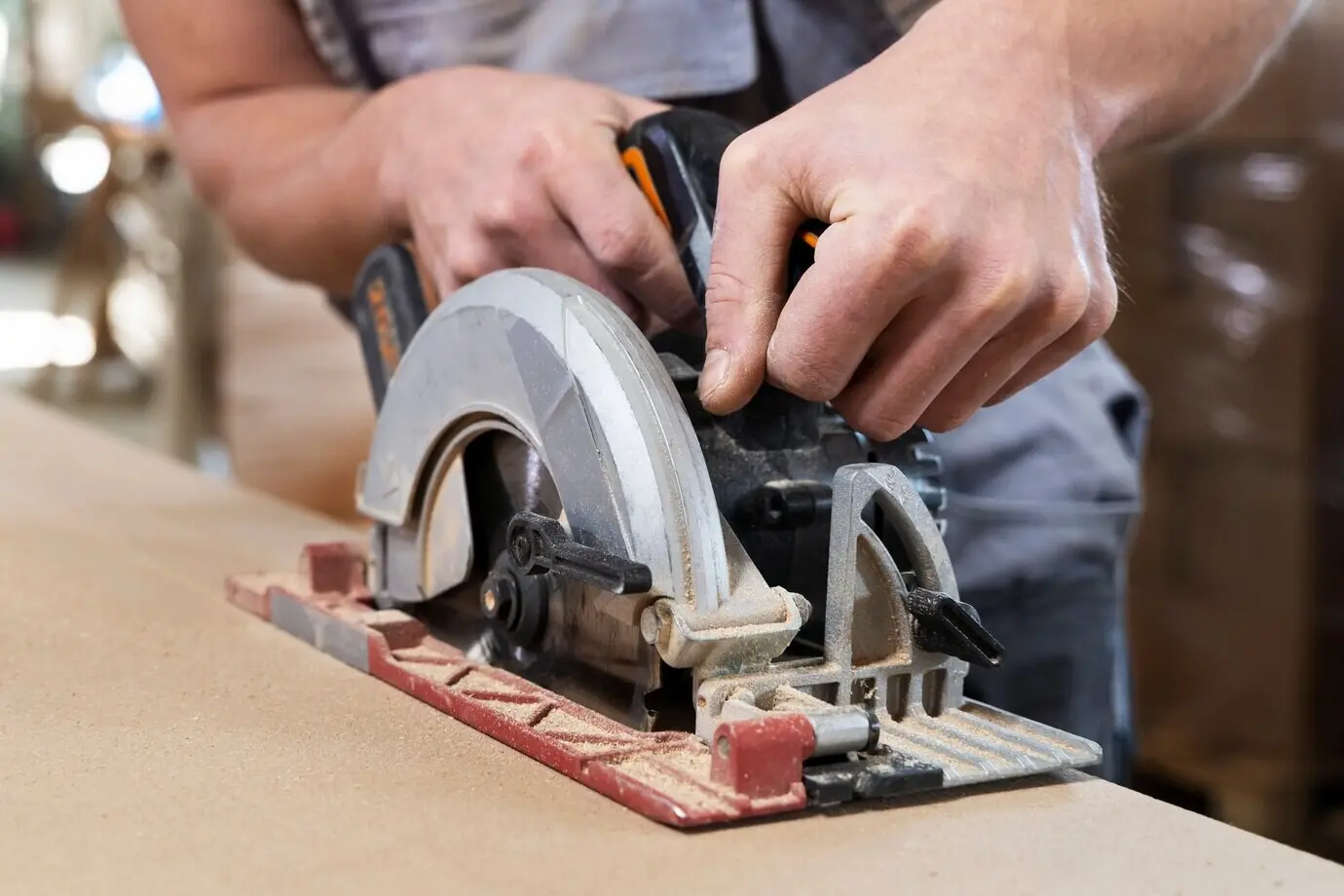
Durability and safety can coexist. We compare mineral paints, limewash, and clay plasters for diffusion, as well as plant-based oils, hardwax oils, and soap finishes for wood. You’ll learn about preparation, curing, slip resistance, and realistic maintenance schedules that keep surfaces beautiful without introducing unnecessary emissions or forever-chemicals.

Natural Textiles That Love Your Skin and the Planet

Comfort is chemistry plus craftsmanship. We compare organic cotton, linen, hemp, wool, alpaca, peace silk, and lyocell for moisture management, warmth, resilience, and care. You’ll learn which fibers suit bedding, upholstery, curtains, and rugs, how to avoid unnecessary coatings, and why simple construction often outlasts complex blends in daily home life.

Choosing Fibers for Function and Feel

Linen excels in breathability and strength, cotton offers softness and easy care, hemp resists abrasion, wool self-extinguishes and manages humidity, and lyocell drapes with cool smoothness. Mix strategically: linen-cotton for sheets, wool-hemp for rugs, silk-wool for drapery. Test swatches against skin and daylight to confirm color, texture, and sheen.

Weaves, Finishes, and Hidden Chemicals

Percale and sateen change airflow and hand feel, while mechanical finishing can soften without softeners. Avoid wrinkle-free, stain-resistant, or antimicrobial claims that often signal formaldehyde resins, PFAS, or biocides. Choose chlorine-free wool, low-impact dyes, and undyed options when colorfastness is less critical, embracing patina and honest, evolving tones over time.
Upholstery and Window Treatments

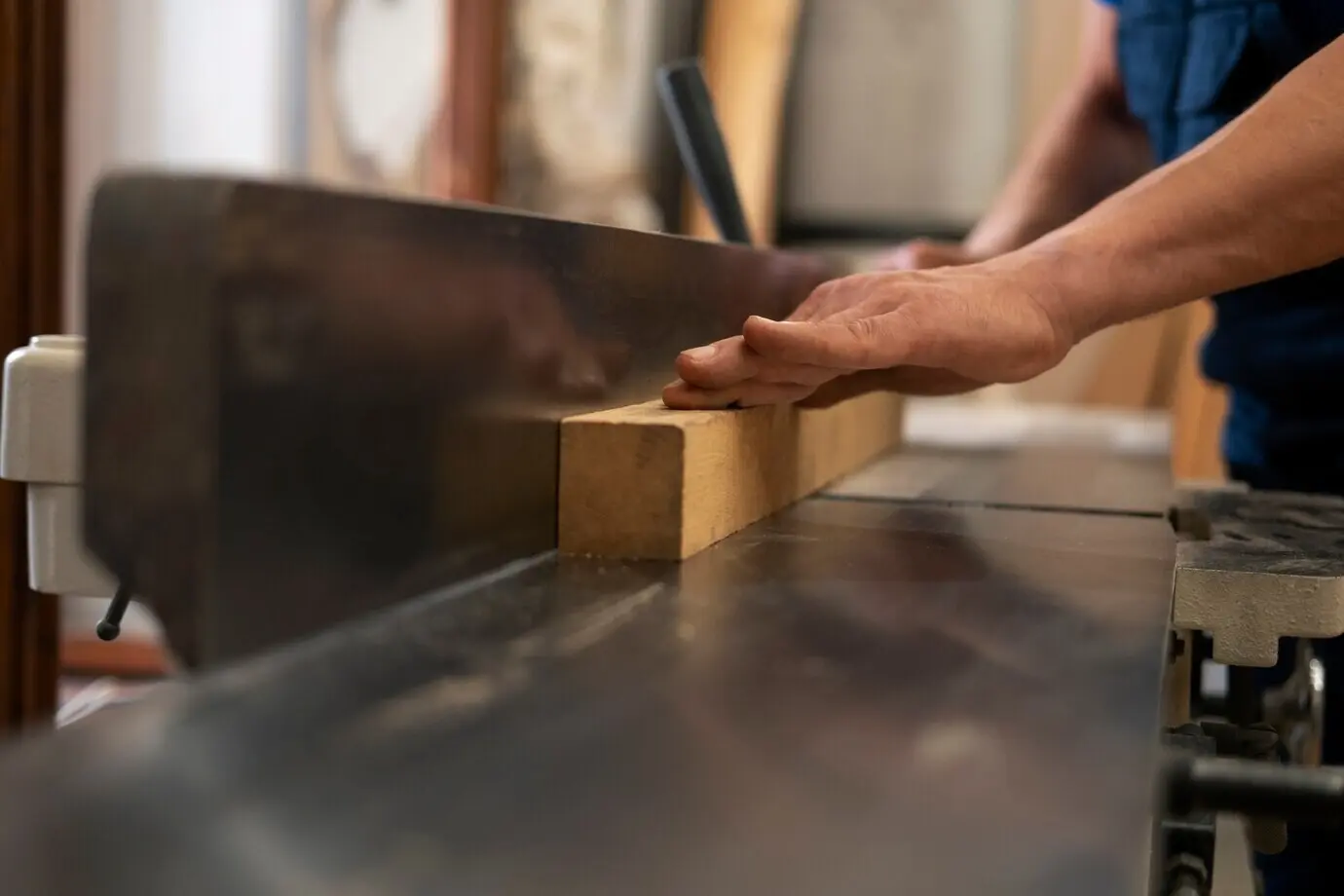
Ask about backings, glues, and flame strategies, not just face fabrics. Favor natural latex or mechanical interlinings over chemical flame retardants, and wool felt for acoustic damping. For blackout curtains, consider layered natural fibers with tight weaves, accepting slight glow in exchange for fewer coatings and a calmer indoor environment.

Air Quality, Health, and the Invisible Story of Emissions

Behind color charts and soft textiles lies physics. Volatile and semi-volatile compounds drift from coatings, foams, and finishes into air and dust. We unpack aldehydes, plasticizers, and flame retardants, and show how ventilation, temperature, and surface area shape exposure, so your renovation improves wellbeing instead of adding unseen burdens.

Care, Cleaning, and Longevity Without Harsh Chemicals

Gentle routines extend beauty and reduce waste. We outline pH-neutral methods for floors, mineral walls, and countertops; moth-safe storage for wool; sun and humidity strategies; and how to treat stains without bleach. Expect fewer products, better indoor air, and materials that age gracefully instead of being replaced prematurely.

Stories, Budgets, and Smart Sourcing

Real homes prove what checklists can’t. You’ll meet a downtown family who chose limewash and a wool rug to tame echoes, a coastal couple using hardwax on oak, and renters transforming spaces with slipcovers. We also cover costs, sourcing strategies, and how to interview suppliers with confidence and kindness.
Mifaxonehuveritomozeza
Privacy Overview

This website uses cookies so that we can provide you with the best user experience possible. Cookie information is stored in your browser and performs functions such as recognising you when you return to our website and helping our team to understand which sections of the website you find most interesting and useful.