Built to Outlast: Crafting Furniture That Lives for Generations

Welcome. Today we explore Heirloom Furniture Lifecycle: Design for Longevity and Repairability, following the journey from first sketch to decades of use, maintenance, and renewal. We unpack choices that keep pieces sturdy, fixable, and emotionally meaningful. Expect actionable checklists, workshop anecdotes, and restoration wisdom you can use immediately. Share your stories, ask questions in the comments, and subscribe to join a community determined to keep beautifully made objects working, aging gracefully, and earning memories rather than landfill miles.

Why Generations Matter

Keeping a chair or cabinet useful for half a century avoids repeated manufacturing, shipping, and disposal cycles that quietly burn resources. Longevity concentrates quality upfront, spreads cost across decades, and deepens attachment. When repair remains possible, families keep stories intact, and the planet gains relief through fewer replacements, lower embodied carbon, and smarter material stewardship.

The sustainability dividend

Every year a table stays in service, its initial environmental footprint is amortized across more meals, projects, and celebrations. Avoiding premature replacement saves forests, reduces metal mining for hardware, and cuts transport emissions, while also preserving craft knowledge embedded in solid joinery and time-tested finishes.

A longer service life is a design decision

Sturdy leg-to-apron connections, replaceable wear parts, and forgiving finishes do not appear by accident; they are planned from the first drawing. When makers allocate space for future repairs, owners gain confidence to tighten, refinish, and reupholster instead of discarding beloved, slightly tired pieces.

Patina versus planned obsolescence

Scratches can tell family stories when surfaces accept repair and renewal. Contrast that with laminated cores, brittle fasteners, or glued-in mechanisms that fail catastrophically. Designing for patina means embracing reversible processes and materials that welcome touch-ups, allowing character to accumulate without sacrificing structural integrity.

Designing Joints and Frames for Life

Frames carry loads, but they also carry expectations. Thoughtful geometry, generous glue surface, and mechanical reinforcement create furniture that absorbs moves, dry winters, and enthusiastic holiday dinners. Equally important, the assembly must be understandable and serviceable, so a future owner can safely disassemble, repair, and restore alignment without guesswork.

Materials and Finishes That Age Gracefully

Not every beautiful surface survives hard use. Choose dense, repair-friendly woods, finishes that can be renewed locally, and fabrics with replaceable components. Avoid sandwich constructions that hide rot or delamination. Favor clarity: honest hardwood, reversible shellac or hardwax oil, and upholstery built on accessible foundations simplify future work without sacrificing daily comfort.

01

Hardwoods with predictable movement

White oak, cherry, and walnut respond reliably when humidity shifts, allowing careful sizing and stable joinery. Quarter-sawn cuts tame cupping. Fast-growing alternatives can work, but verify density, stability, and screw-holding strength. Document species on a hidden surface to guide future repairs with matching stock and compatible adhesives or finishes.

02

Finishes that can be renewed, not stripped

Hardwax oils, shellac, and traditional varnishes allow spot repairs where traffic concentrates. Catalyzed coatings protect well, yet demand aggressive stripping when they fail. When you can pad on a fresh layer, buff gently, and blend sheen, owners treat damage fast, before moisture or grime settles into fibers.

03

Upholstery systems built for replacement

Loose cushions, zippered covers, and independent seat decks invite cleaning and swapping. Specify natural latex or pocketed springs in accessible frames rather than foam glued into hidden cavities. Label dimensions, fabric sources, and pattern directions under the seat, so future caretakers can order replacements without redesigning the entire structure.
Care, Maintenance, and Home Conditions

Even perfect construction fails under neglect. Gentle cleaning, protective habits, and stable environmental conditions multiply a piece’s lifespan. With a short seasonal checklist and a few thoughtfully stored supplies, anyone can tighten hardware, refresh finish, and stop small problems before they propagate into costly, structure-threatening failures.

Repair Playbook: From Wobble to Wow

Diagnose before you disassemble
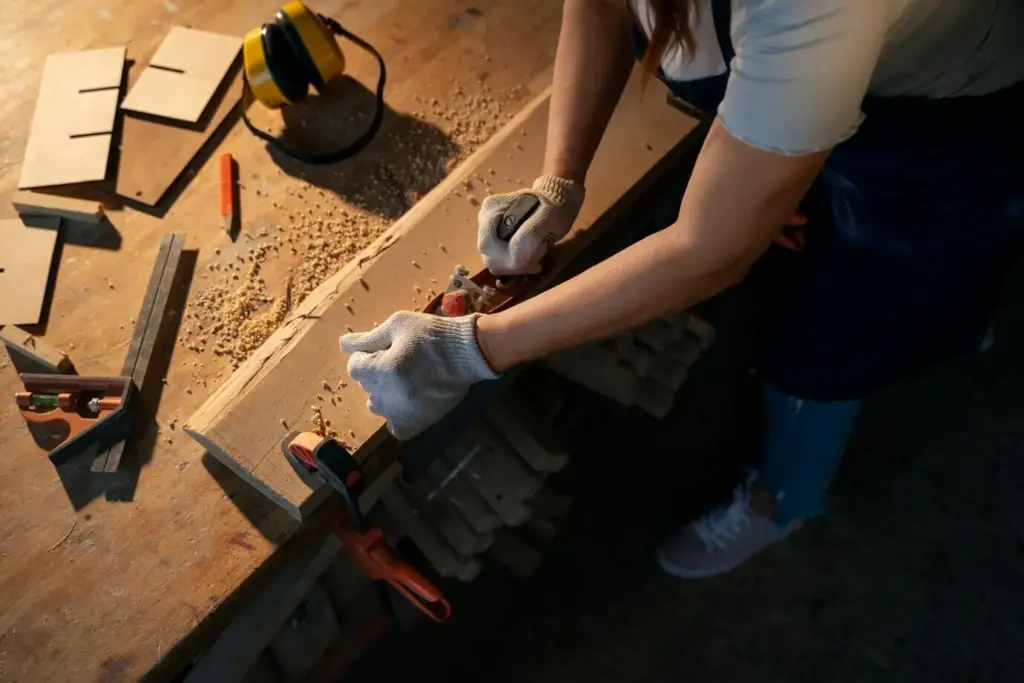
Gently rock the piece on a flat floor, chalk the joints that creak, and confirm moisture content before applying glue. Photograph everything. Disassembly without a plan breaks shoulders and tears fibers; a measured approach preserves original geometry and ensures the first clamp pressure restores intended alignment.

Reversible adhesives and thoughtful clamps

Liquid hide glue, fish glue, and PVA used sparingly can all serve, but reversibility matters most. Warm water or alcohol should release joints without carving. Cauls distribute pressure, and test assemblies reveal surprises before glue sets, reducing panic and unnecessary force that bruises wood fibers.

Color-matching and patina blending

After structural fixes, finish repairs demand patience. Use dyes, pigments, and toners in thin, reversible layers, building color slowly and testing under the room’s light. Aim to harmonize, not erase history, so subtle wear reads as life lived rather than careless damage or mismatched patches.

Provenance, Documentation, and Digital Passports

Future caretakers make better decisions when they know origins, materials, and service history. Tuck a sealed card inside, engrave a discrete maker’s mark, and maintain a cloud folder with receipts and repair notes. This simple archive boosts value, simplifies parts sourcing, and invites continued care after ownership changes.

Choosing Your Next Future Heirloom

Mifaxonehuveritomozeza
Privacy Overview

This website uses cookies so that we can provide you with the best user experience possible. Cookie information is stored in your browser and performs functions such as recognising you when you return to our website and helping our team to understand which sections of the website you find most interesting and useful.